Welcoming Home Your Rescue Dog: The first 3 days

Introduction
You’re super excited to be bringing home your new dog. You have great plans for what you will be doing together but remember that your new dog doesn’t know this (yet!).
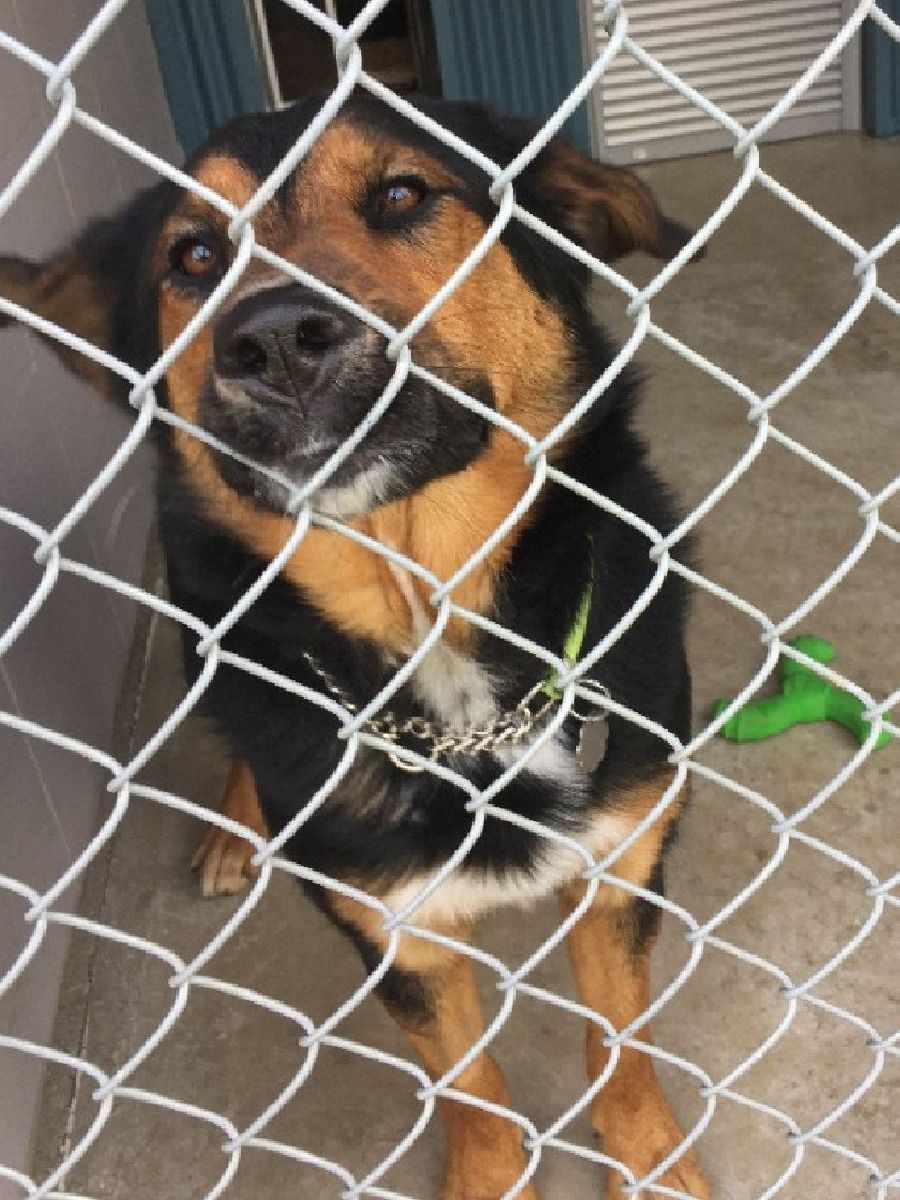
Change can be stressful. There is no question that your dog is going to feel stressed, overwhelmed, and unsure when they come into your home.
Your dog may not want to eat for the first couple of days.
They may shut down and want to curl up in their crate or under the table.
They may be scared and unsure of what is going on.
They may be over-aroused jumping on you, the furniture, doing zoomies in the yard, barking like crazy!
These are normal signs of an overwhelmed dog trying to cope with a new situation.
To get off to a good start, here are seven tips to help you successfully navigate those first three days.
7 tips to help you during the first 3 days home with your dog
Tip #1: Understand what your dog is saying
Dogs will exhibit signs of stress in different ways. To better understand what your dog is saying, watch Fear Free Homes Body Language 101.
Tip 2: Decompression Time
Keep the excitement to a minimum. Give your dog space and time. It can take up to 72 hours for the stress in their bucket to empty.

*From Absolute Dogs ‘Calmness’ ebook
By minimizing human contact, noise, strange people coming and going, and novelty (think dog walks, the dog park, exposure to household pets) you can slow down the rate at which their stress bucket is filling.
By providing a quiet place to rest and allowing your dog to initiate any interactions with you and your family, you can increase the rate at which their bucket empties.
A dog with a less full bucket will be better able to cope with the novelty they are experiencing in their new home.
Tip #3: Ditch the walk
From day one, some dogs may be ready for a walk around the neighbourhood but by waiting at least three days for that walk, the decompression time will enable your dog to better cope with the new sights, sounds, and smells they will encounter.

Tip #4: Immediate family only
Your new dog has a lot to process when then come into your home. To minimize overwhelm, keep the introduction of new people to the immediate household.
Let your dog set the pace for any interactions. Now isn’t the time to initiate petting, touching, or cuddling. They may be fine staying on their dog bed and observing their new environment. Give them the choice to approach you (or not).
Tip # 5: Consent to touch
This is important for both adults and children. It’s normal to want to give your dog lots of love and affection, but they may not be ready to receive this kind of attention from you.
If your dog approaches you, then follow the instructions in this video How to Greet a Dog Safely: Do's and Don'ts to learn how to have a successful interaction. If your dog doesn’t approach you, it isn’t forever. Your dog is just telling you they need a bit more time before they feel ready for your touch.
Note: A dog that consents to being petted will move into your space, act goofy, or nuzzle your offered hand. If your dog stands still and doesn’t move away, take that as a no and don’t reach out to touch your dog.
Tip #6: Access to their own space
Have a warm dry place available to them. You could use an exercise pen or place a dog bed nearby. A baby gate and a separate room is an option if your dog is showing signs of hiding or staying away from you.
If they are eating, sprinkle some treats in that space. You could offer them a stuffed Kong or a yummy chew. Have food and water available nearby but if they don’t eat, that’s okay.
If appropriate for your dog stay close by, without any pressure to interact, so that they are not left alone.

If your dog doesn’t eat, that’s okay too. Offer the food and then leave them alone. They might be able to eat when no one is present.
Tip #7: Be kind to yourself
Your dog isn’t the only one with a full bucket. Your bucket is going to fill up as well. If you are a first-time dog owner, your life is about to change in expected and unexpected ways! If you are an experienced dog owner, this dog isn’t going to be like your last dog. You will be going back to the beginning with new training challenges.
Recognize that you may feel more stress than usual and may not sleep well. It will take time for you and your new dog to find a rhythm for your new life together, but you will get there!
Conclusion
Giving your new dog time to decompress, initiate interactions, and providing them with space to get to know their new family will grow their trust. This early trust will go a long way to setting you and your dog on the path of a great long-lasting relationship.
Additional Resources:
For the next 3 weeks and 3 months, check out my blog post: Welcoming Home Your Rescue Dog.
BC SPCA: How Do I Welcome a New Dog into My Home
Originally published in the BCSPCA Animal Kind “Kind Corner”
To learn more from Proud of My Dog, check out our Upcoming Classes
