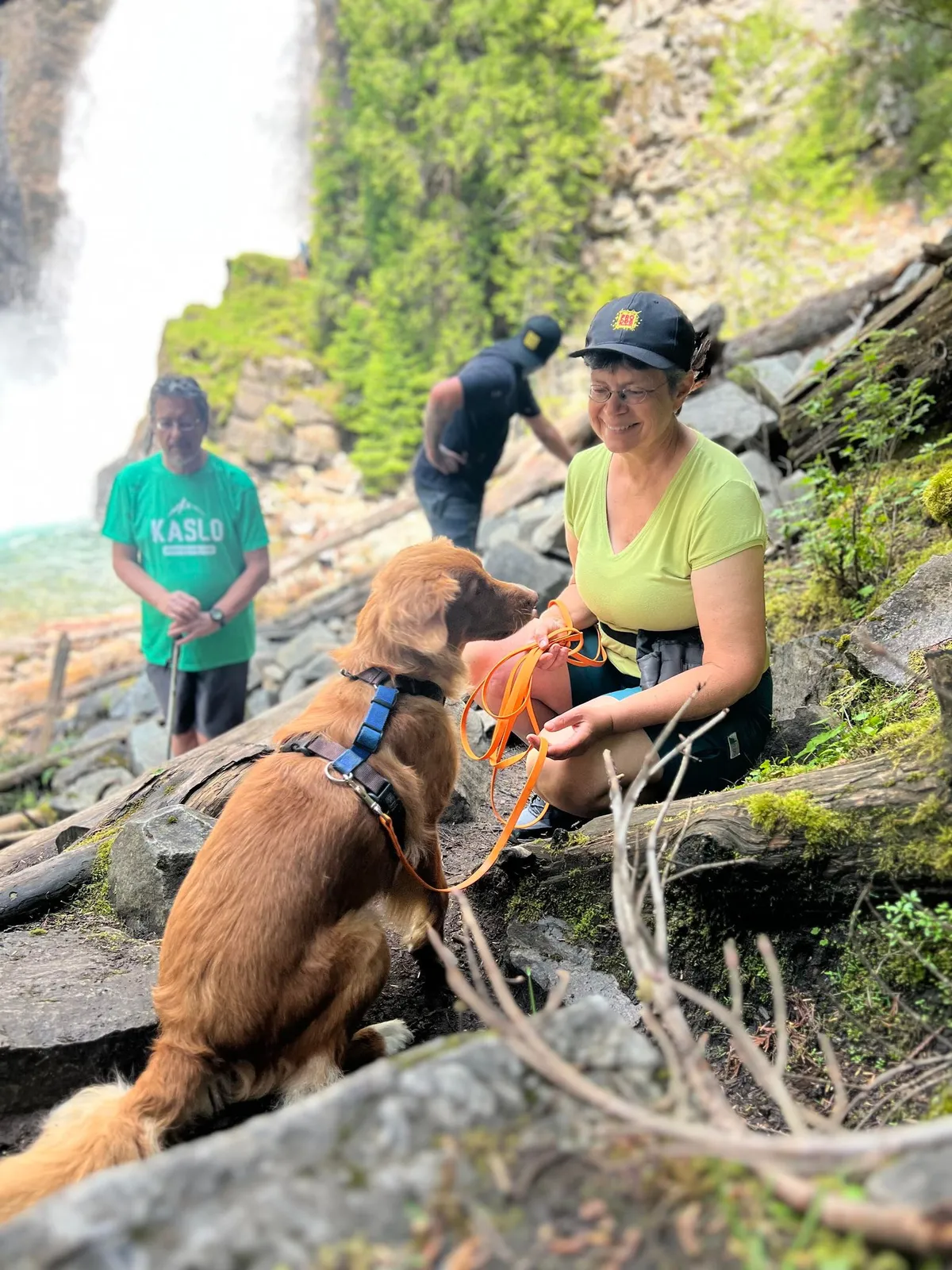
Three Ways to Grow Disengagement in a Distracting World
Key Topics
What is Disengagement?
Why are Disengagement Skills Important?
Growing the Skill of Disengagement
Three Approaches, Three Games
Adolescent Dogs Struggle with Disengagement
Introduction
Pauline and Jasper are walking down the street when a squirrel runs across the sidewalk and runs up a tree. Jasper sees the squirrel, starts barking excitedly and drags Pauline toward the tree. Pauline calls out “Jasper, leave it”, “Jasper, come”, JASPER!!! and no response. Jasper can’t disengage from that squirrel and Pauline resorts to pulling him away from the tree in order to get him to disengage from the squirrel and continue on their walk.
Pauline’s experience isn't unique. Many owners struggle with dogs who can’t disengage from the environment. Can your dog disengage from:
You (a struggle for dogs with separation related behaviours)
Vehicles, squirrels, other dogs, people, smells
Growing your dog's disengagement skill will:
Change how your dog responds to the distractions the world throws their way
Grow calmness when out and about
Foster more engagement with you
What is Disengagement
Disengagement is a dog who sees value in moving away from something that excites, scares, or intrigues them.
Disengagement is both physical (your dog turns and walks away) and mental (your dog is no longer thinking about the thing).
Why are Disengagement Skills Important?
The inability to disengage from the environment is a missing skill behind many of your dog training challenges. Dogs who struggle with disengagement are unable to turn away from events happening around them and will often start to bark, lunge, or chase the thing that has caught their attention.
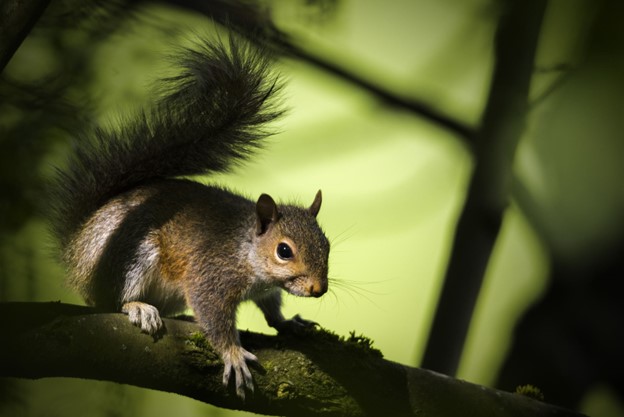
Would you like a dog that notices events and then turns away to engage with you or turns away and goes back to minding their own business?
Growing the Skill of Disengagement
Your dog is making choices about what to engage with and what to ignore. By helping them learn that much of what goes on in the environment is “none of their business”, you are growing calmness and a calm dog is a dog who can make good choices.
The more your dog can flex their disengagement muscle, the stronger the skill will become.
To grow your dog’s disengagement skill, focus on the following three approaches:
1) Value placement
2) Win the game
3) Spontaneity
Three Approaches, Three Games
Value Placement: spell out to your dog that there is value in moving away from something they are engaged with.
Disengagement Pattern: In a low distraction environment (your living room, kitchen, or basement), toss one piece of food ahead, when your dog turns back to you, feed, feed, feed as you walk away. When turning to you becomes automatic, start to practice this game in the presence of low distractions (for example, outside in your backyard), and then practice in locations with more distractions.
Win the Game: Set up a game where your dog wins the game by disengaging from something.
Give into Leash Pressure: Your dog will learn that leash pressure means turn to my person for something good instead of pull harder.
Spontaneity: Even the most distracted dog is disengaging from events all the time. It’s up to you to notice and reinforce your dog with a yummy piece of food when then look at something and then look or move away.
Does your dog notice that bird in the sky and look away? If yes, give them something yummy.
Does your dog look at the kids in the playground and go back to sniffing the ground? If yes, drop a tasty treat on the ground for them to find.
Does your dog turn away from a kitchen counter covered in food? If yes, reinforce them with a tasty morsel outside of the kitchen.
Adolescent Dogs Struggle with Disengagement
During adolescents, you may find that your previously well-behaved puppy starts to notice and engage with everything! So much growth, change and development is happening in your dog’s body and brain that they struggle to make good decisions.
These young adults are often so engaged with the world and the events happening around them that they don’t listen to you, don’t respond when you call, and find more value ‘out there’ than with you.
Playing the games listed above will make a huge difference in your relationship and teach your adolescent dog that stuff ‘out there’ is none of their business. The value is with you!
Conclusion
You can teach your dog to disengage from the environment.
Dogs who master this skill are calmer and able to move through the world minding their own business and engaging with you instead.
The sooner you can start to teach your dog that there is value in disengaging from the environment the quicker you and your dog will benefit from this new found skill.
You can’t have enough disengagement!
Reference:
Adapted from a variety of teachings by Dr. Tom Mitchel.
Additional Resources:
To learn from Dr. Mitchell, check out:
These games and more are taught in three of my classes: Becoming Adolescent, 90 Days to a Well-Behaved Dog, Reactive Dog Fundamentals. For details, check out our Upcoming Classes schedule.
